
Wi-Fi for restaurants and cafes
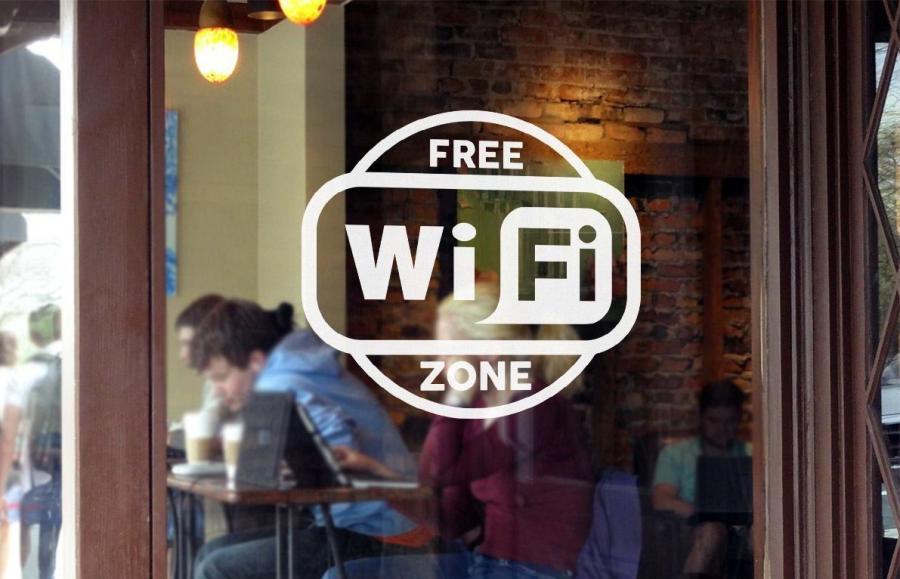
The mdtech technical Wi-Fi team provides a full range of services for the implementation of wireless networks for cafes and restaurants.
In the modern world, quality Wi-Fi is an essential part of a comfortable experience for patrons, ensuring access to social media, work correspondence, and video content.
mdtech has extensive experience in implementing projects for various scales of food service establishments. Regardless of the venue's size, every Wi-Fi project is unique and requires attention to all site details and specific business requirements.
Functions of Wi-Fi in a Restaurant
A quality wireless network addresses both consumer and business needs:
-
Consumer Comfort: Providing constant connectivity for guests, and access to online services.
-
Business Functionality: Supporting business lunches, meetings, and presentations, allowing the venue to offer a "mobile office" service.
-
Marketing Opportunities: Utilizing Wi-Fi for online menus, table reservations, conducting surveys, sending special offers, and developing loyalty programs.
-
Operational Tasks: Efficient use of POS systems, real-time order transmission from waiters to the kitchen, sales tracking, and interaction with suppliers.
Guest comfort plays a vital role in creating a positive experience. A positive experience directly impacts ratings, reviews, and client flow.
Specifics of Wi-Fi in Cafes and Restaurants
Network design for HoReCa must consider several specific requirements:
-
High Throughput: The network must handle significant traffic from numerous concurrently connected devices during peak hours.
-
Network Segmentation: Mandatory separation into corporate (for staff) and public (for guests) zones.
-
Access Control: The ability to limit session time for visitors (to discourage excessively long table occupancy).
-
Network Security: Protection against unauthorized access (including neighbors and passersby), essential for venues with open verandas.
-
Marketing Capabilities: Setting up splash pages, displaying promotional materials, collecting user analytics, and building a client database.
-
Seamless Roaming: Ensuring uniform signal distribution and continuous connection across the entire area, including multiple halls and outdoor seating.
Legal Requirements: Mandatory authorized access and compliance with laws regarding user identification are required. Failure to comply can result in fines for the establishment.
Stages of Network Deployment
-
Design and Planning: Comprehensive analysis of goals, needs, and technical specifications. Assessment of the venue based on floor plans (seating capacity, partitions). Creation of a predictive model and development of SOW, specification, and budget.
-
Site Survey: Conducting an on-site radio frequency survey with selected AP models to validate the predictive design. Making adjustments based on actual measurements. Issuing technical documentation.
-
Installation and Setup: Equipment delivery, installation of SCS and APs according to the project. Controller configuration and integration into the existing IT infrastructure.
-
Testing and Optimization: Performing a post-project radio frequency survey to check coverage quality and speed in different zones. Fine-tuning network parameters to minimize interference and improve connection quality.
-
Support and Maintenance: Handing over the operational network to the customer, consulting, and supporting IT specialists in vendor technical support interactions.
Got questions? — Free consultation and a ready commercial proposal in one day!